في مراحل ما بعد الحروب، تصبح العدالة والمصالحة من الضروريات لضمان الانتقال من الصراع إلى السلام والاستقرار. المصالحة ليست مجرد وسيلة لتهدئة النفوس المتألمة، بل عملية شاملة تتطلب الكثير من الجهود لإعادة بناء الثقة واستعادة الانسجام بين أفراد المجتمع المتضرر. هي أداة أساسية لتحقيق التعايش بين الأطراف المتنازعة، خاصة في المجتمعات التي مرت بصراعات أهلية، حيث تعمل على معالجة الجراح وإعادة ترتيب العلاقات الاجتماعية. تهدف المصالحة إلى إزالة الحواجز النفسية والاجتماعية التي قد تعيق التعايش، مما يجعلها خطوة ضرورية لتحقيق سلام مستدام.
تلعب الثقافة المحلية دوراً مهماً في تشكيل مفهوم المصالحة وتطوير أساليبها، حيث تختلف طرق المصالحة من مجتمع لآخر تبعاً للقيم والمعتقدات السائدة فيه. يعتمد كل مجتمع على خصوصيته الثقافية لتطوير نهج فريد للتعامل مع المصالحة، حيث يتمكن الأفراد من فهم الصراع بشكل يمكنهم من تجاوز الخلافات الماضية والتطلع نحو مستقبل أفضل. في بعض المجتمعات، يُعتمد على شيوخ القبائل وقادة المجتمع للمساعدة في تقريب وجهات النظر وحل النزاعات، مما يضفي بُعداً ثقافياً ودينياً على عملية المصالحة. يُظهر هذا التمازج بين الثقافة والتعايش كيف يمكن للقيم المتجذرة في ثقافة المجتمع أن تسهم في تحقيق الاستقرار، حيث تصبح الثقافة أداة إيجابية للتعبير عن الرغبة في السلام.
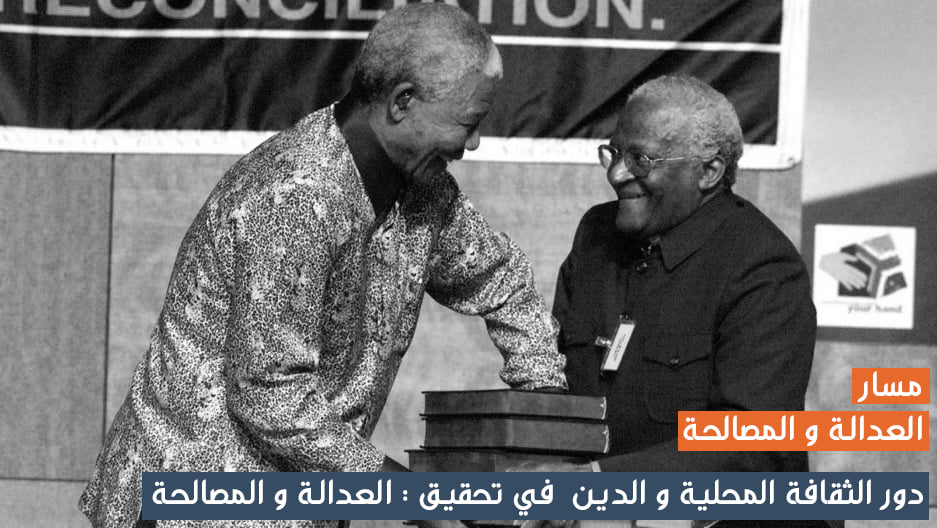
أما بالنسبة للدين، فهو يعتبر عاملًا جوهريًا يساعد على تحقيق المصالحة عن طريق تعزيز الروابط الاجتماعية وتمهيد الأفراد لقبول الآخر. الدين يقدم الإطار الروحي والاجتماعي الذي يساعد الأفراد على تجاوز الصراعات الماضية، إذ تتميز الأديان بقدرتها على غرس قيم التسامح والغفران التي تساهم في تخفيف الاحتقان وتهدئة النفوس. مثال جنوب أفريقيا يُعد شاهدًا على ذلك، حيث استخدم رجال الدين مكانتهم للتأثير في عملية المصالحة بعد حقبة الفصل العنصري. هؤلاء القادة الدينيون ساهموا في نشر ثقافة التسامح كجزء من النسيج الاجتماعي الجديد، مما ساعد على تهدئة التوترات وإعادة بناء الثقة بشكل فعّال بين الأطراف المتصارعة.
يعتبر السماح لكل مجتمع بتطوير رؤيته الخاصة للمصالحة بعيدًا عن الفرض الخارجي من الضروريات لتحقيق نتائج مستدامة. ففرض أساليب موحدة من قبل المؤسسات الدولية قد لا يكون مناسباً دائماً، حيث إن هذه المقاربات الخارجية قد لا تأخذ بعين الاعتبار الخصوصيات الثقافية والدينية للمجتمعات المتضررة. إن احترام الاختلافات الثقافية والدينية لكل مجتمع يمكّن هذه المجتمعات من تبني نهج خاص يعبر عن هويتها ويستجيب لاحتياجاتها. وبالتالي، يجب أن تكون عملية المصالحة مرنة بما يكفي لتتكيف مع خصائص كل مجتمع، حيث يصبح هذا التكيف دليلاً على فهم عميق لمفهوم العدالة والسلام المستدام.
باختصار، إن إعطاء الأولوية للثقافة المحلية والدين عند صياغة استراتيجيات المصالحة يُعزز من فرص نجاح هذه الجهود. إذ يمكن لهذين العاملين أن يكونا بمثابة الجسر الذي يعبر بالمجتمعات من حالة النزاع إلى حالة الاستقرار، مما يجعل السلام ليس فقط هدفاً، بل حقيقة متجذرة في وجدان المجتمع.
المصدر: Girelli, G. (2017). Understanding Transitional Justice: A Struggle for Peace, Reconciliation, and Rebuilding.
In post-war periods, justice and reconciliation become essential for transitioning from conflict to peace and stability. Reconciliation is not merely a way to soothe troubled hearts; it is a comprehensive process that requires significant efforts to rebuild trust and restore harmony among the affected community members. It is a fundamental tool to foster coexistence among conflicting parties, especially in societies that have endured civil conflicts. Reconciliation works to address grievances and realign social relationships, removing psychological and social barriers that hinder peaceful coexistence, thus making it a crucial step for sustainable peace.
Local culture plays an important role in shaping the concept of reconciliation and developing its methods, as reconciliation approaches vary across societies based on prevailing values and beliefs. Each society relies on its unique cultural characteristics to develop a distinct approach to reconciliation, allowing individuals to understand conflicts in ways that help them move beyond past differences. In certain communities, tribal leaders and elders are instrumental in bringing conflicting parties together and resolving disputes, infusing the reconciliation process with cultural and spiritual dimensions. This blend of culture and reconciliation shows how deeply rooted values within a society can contribute to achieving stability, making culture a positive force for peace.
Religion, meanwhile, is a fundamental factor that supports reconciliation efforts by reinforcing social bonds and preparing individuals to accept others. Religion offers both spiritual and social frameworks that help individuals overcome past conflicts, as religions are often equipped with values of forgiveness and tolerance that help to ease tensions. South Africa is a noteworthy example, where religious leaders played a key role in the reconciliation process after apartheid. These leaders used their influence to spread a culture of tolerance, integrating it into the new social fabric, which effectively reduced tensions and helped rebuild trust among formerly divided groups.
It is essential to allow each community to develop its unique vision of reconciliation without external impositions. Relying on uniform approaches imposed by international organizations may not always be suitable, as these external approaches may fail to account for the cultural and religious nuances of affected communities. Respecting the distinct cultural and religious attributes of each society enables these communities to adopt a unique approach that reflects their identity and meets their needs. Consequently, reconciliation should be flexible enough to adapt to the characteristics of each community, signifying a deep understanding of the concepts of justice and sustainable peace.
In short, prioritizing local culture and religion when formulating reconciliation strategies enhances the chances of success for these efforts. These elements can serve as the bridge that transitions communities from conflict to stability, making peace not merely a goal but a deeply ingrained reality within society.