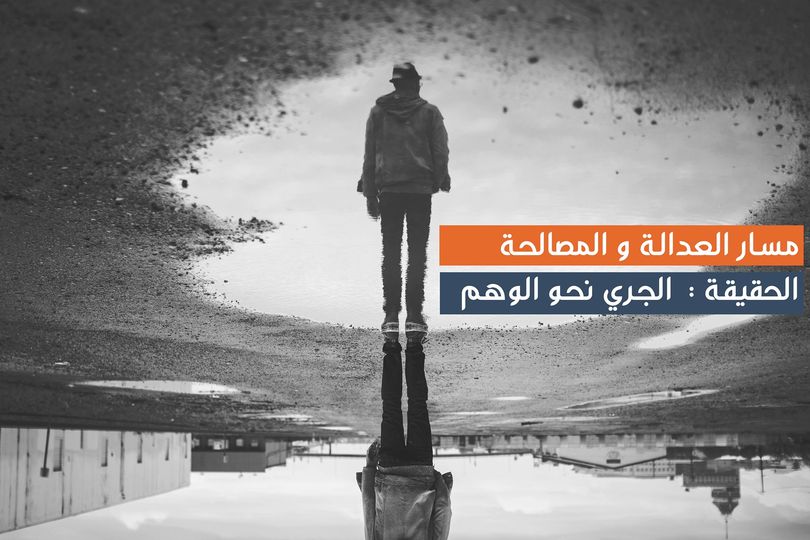
يعد مفهوم “الحقيقة” أحد المفاهيم الأكثر جدلية وإثارة للتساؤل في الفلسفة والمجتمع، فهل الحقيقة فعلاً هي شيء ملموس وموضوعي يمكن الوصول إليه؟ أم أنها تتغير حسب الزمان والمكان وتتأثر بالأوضاع الاجتماعية والسياسية؟ هذا التساؤل يصبح أكثر إلحاحاً في المجتمعات التي مزقتها الحروب والنزاعات، حيث يتحول الوصول إلى “الحقيقة” إلى ضرورة تساهم في تحقيق العدالة وإعادة بناء المجتمع بعد أضرار جسيمة.
يتناول النص مجموعة من الأطر الفلسفية التي تسعى لتفسير مفهوم الحقيقة، مثل رؤى الفيلسوف الفرنسي ميشيل فوكو، الذي يعتقد أن الحقيقة لا يمكن فصلها عن السلطة. فالحقيقة، وفقاً لفوكو، ليست مجرد واقع موضوعي، بل هي بناء اجتماعي يصاغ حسب احتياجات المجتمع وبنيته، بحيث يكون لكل مجتمع تصوره الخاص عن “الحقيقة” وفق منظومة السلطة التي تحكمه. المجتمعات التي تمر بنزاعات أو حروب قد تتبنى نسخة “محرّفة” أو “انتقائية” عن الحقيقة، تُصاغ لخدمة مصالح جماعات معينة على حساب غيرها.
وفي هذا السياق، تتجلى أهمية الوصول إلى “الحقيقة” في المجتمعات التي تعرضت للعنف والصراعات، حيث إن صياغة نسخة معينة من الحقيقة قد تؤدي إلى تهميش أو انتقاص مظلومية بعض الأفراد أو الجماعات. ولهذا انعكاسات عميقة على مختلف المستويات، فالأمر لا يتعلق فقط بالشق القانوني المرتبط بالمحاسبة والعدالة الانتقالية، بل يتعدى ذلك ليشمل التعويضات المالية للضحايا، إضافة إلى التأثيرات السياسية والاجتماعية التي قد تحدد مسار مستقبل البلاد لعقود قادمة.
البحث عن الحقيقة في هذا السياق يتطلب أدوات موضوعية وآليات شاملة تضمن أن تكون الحقيقة مرآةً لواقع المجتمع بكل تفاصيله، دون تحريف أو تزييف. فمن حق الضحايا، سواء كانوا أفراداً أو جماعات، أن يعرفوا الحقيقة الكاملة دون تلاعب، إذ يمثل هذا حقاً أصيلاً يساهم في إرساء دعائم العدالة والمصالحة الاجتماعية. فمن خلال كشف الحقائق وتحديد المسؤوليات، يُمكن للمجتمع أن يسير في اتجاه التصالح مع ذاته وتجاوز آثار الماضي المؤلمة.
وتُعد الحقيقة في المجتمعات المتضررة من النزاعات ضرورة لتحقيق مصالحة حقيقية؛ فهي ليست مجرد مرحلة في عملية العدالة، بل هي حجر الزاوية لإعادة ترميم النسيج الاجتماعي الذي تضرر. ففي غياب الحقيقة، يصبح من الصعب بناء الثقة بين الأفراد والمجتمعات، ويصبح الوصول إلى مجتمع عادل ومستقر تحدياً قد يبدو بعيد المنال.
لهذا، فإن السؤال حول ما إذا كانت الحقيقة موجودة حقاً يصبح أقل أهمية من السؤال حول كيفية بناء رواية حقيقية ومتعددة الأبعاد تشمل مختلف جوانب الواقع، وتراعي حقوق الجميع دون استثناء. الحقيقة في المجتمعات التي عانت من الصراعات قد تكون معقدة ومتشابكة، ولكنها تظل أساساً لا غنى عنه لتحقيق المصالحة وإعادة بناء مستقبل يستند إلى أسس سليمة ويمنح الضحايا حقوقهم التي حُرموا منها.
المصدر: Girelli, G. (2017). Understanding Transitional Justice: A Struggle for Peace, Reconciliation, and Rebuilding.
The concept of “truth” is one of the most contentious and thought-provoking ideas in philosophy and
society. Is truth truly an objective reality that can be discovered, or does it vary with time and place,
shaped by social and political contexts? This question becomes especially pressing in societies torn by
wars and conflicts, where the pursuit of “truth” becomes essential for ensuring justice and rebuilding
the fabric of society after extensive harm.
To understand truth, it is useful to explore the philosophical frameworks that have sought to define it.
French philosopher Michel Foucault argued that truth is inseparable from power structures; he suggests
that truth is not an independent, objective reality but rather a social construct shaped by each society’s
structure and needs. In this view, each society projects its version of “truth,” reflecting its own power
dynamics. For societies plagued by conflict or war, this often results in a “distorted” or “selective” truth,
created to serve certain interests while neglecting others.
In such contexts, the pursuit of “truth” takes on extraordinary significance for communities that have
suffered violence and trauma. Establishing a specific version of truth can lead to either denial or
trivialization of the suffering endured by particular individuals and groups. The impact of such choices is
far-reaching, affecting not only legal issues like accountability and transitional justice but also the
reparations owed to victims, and shaping long-term political, social, and economic decisions that will
influence the country’s future for decades.
The search for truth in such contexts requires objective tools and inclusive processes to ensure that
truth accurately reflects society’s reality in its entirety. Victims, whether individuals or groups, have the
right to know the whole truth, free from distortion or manipulation, as this is a fundamental right and a
key step toward establishing justice and social reconciliation. By uncovering truths and assigning
responsibilities, society can move toward reconciling with its past and overcoming its painful legacies.
In conflict- affected societies, truth is essential for achieving real reconciliation; it is not simply a stage in
justice processes but the cornerstone of reconstructing the social fabric. Without truth, it becomes
nearly impossible to build trust among individuals and communities, and the vision of a just and stable
society can seem unattainable.
Thus, the question of whether objective truth exists becomes less relevant than the question of how to
construct a truthful, multi-dimensional narrative that encompasses all facets of reality and upholds the
rights of everyone without exception. Truth in societies suffering from conflicts may be complex and
interconnected, yet it remains indispensable for reconciliation and for rebuilding a future rooted in solid
foundations, restoring the rights of victims who have been denied them.