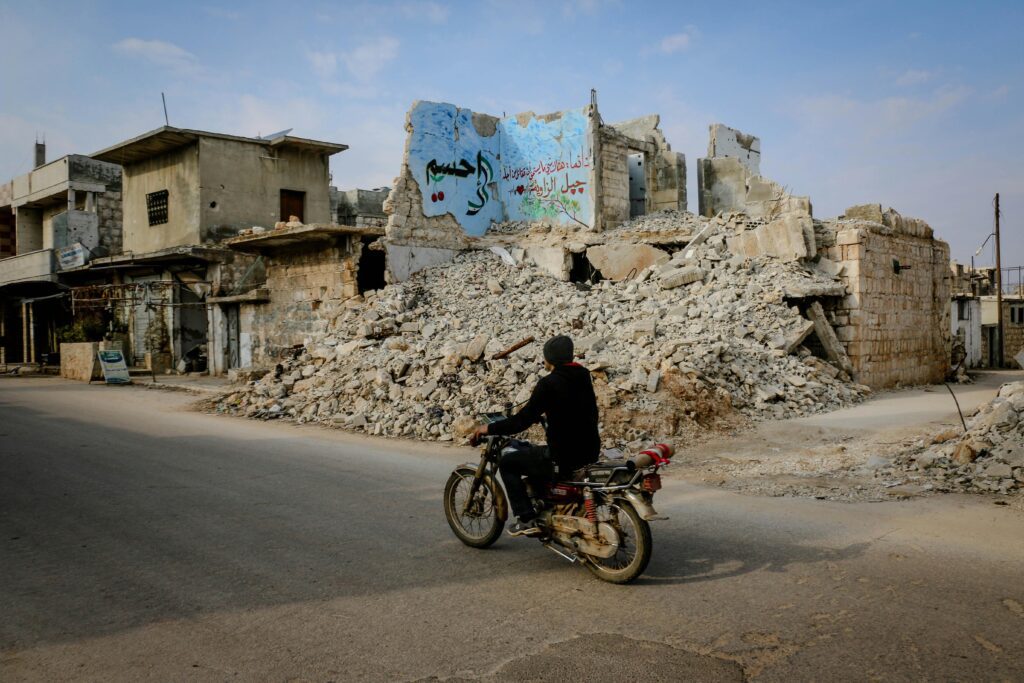
تعتبر عمليات ترسيخ الاستقرار وإعادة الإعمار من الركائز الأساسية لتحقيق السلام والتنمية في المجتمعات المتضررة من النزاعات المسلحة. تهدف هذه العمليات إلى إعادة بناء الدول المتأثرة بالصراعات، وتعزيز سلطة الدولة، وتوفير بيئة آمنة ومستقرة تُمكّن من استئناف الأنشطة الاقتصادية والاجتماعية وتلبية احتياجات المواطنين. ولا تقتصر هذه العمليات على الجوانب الأمنية، بل تشمل إعادة بناء المؤسسات، وتقديم الخدمات الأساسية، ودعم التنمية المستدامة، وتعزيز ثقة المواطنين بالدولة. لتحقيق هذه الأهداف، من الضروري طرح أسئلة محورية تتعلق بماهية الاستقرار وإعادة الإعمار، والجهات المسؤولة عن تنفيذ هذه العمليات.
إعادة الاستقرار عملية متعددة الجوانب تهدف إلى استعادة النظام العام وإعادة فرض سيطرة الدولة، ويعتمد نجاحها على قدرتها على تحقيق أمن مستدام وبناء الثقة بين الدولة والمجتمع. وقد يكون هدف إعادة الاستقرار هو العمل العسكري بحد ذاته، خصوصاً إذا كان هناك فوضى كبيرة تستدعي تدخلًا سريعًا لاستعادة النظام. إضافة إلى ذلك، فإن تحقيق الاستقرار يساهم في تسهيل جهود إعادة الإعمار، حيث يساعد في استعادة الحياة اليومية إلى المجتمعات المتضررة، وتمكين المواطنين من العودة إلى منازلهم وأعمالهم.
في حالات ما بعد النزاع، تساهم عمليات إعادة الاستقرار في مكافحة التمرد بشكل كبير، حيث تُعزز من ولاء السكان المحليين للدولة من خلال تقديم الدعم الأساسي لهم وتحسين مستوى الخدمات المقدمة. ويُعتبر كسب دعم المجتمعات المحلية عاملاً أساسياً لاستعادة الأمن وتعزيز الاستقرار، مما يسهم في تقليص نشاط الجماعات المسلحة التي تسعى لاستغلال الأوضاع غير المستقرة لتحقيق أهدافها. كما أن المشاركة المجتمعية تعزز من قدرة الدولة على بسط سيطرتها ومكافحة التهديدات الداخلية.
تساهم عمليات الاستقرار أيضًا في مكافحة الإرهاب من خلال إتاحة فرص أفضل لجمع المعلومات الاستخباراتية وتقليل أنشطة التنظيمات الإرهابية. إذ ينمو الإرهاب غالبًا في البيئات الهشة التي تفتقر إلى الأمن والاستقرار، مما يجعل إعادة الاستقرار وسيلة مهمة لمنع تجنيد الجماعات المتطرفة لأفراد من المجتمع المتضرر. ومن هنا، تُعدّ عمليات الاستقرار ركيزة أساسية لإرساء سلام طويل الأمد.
أما إعادة الإعمار، فهي المرحلة التي تهدف إلى استعادة البنية التحتية والخدمات الأساسية وتعزيز الحكم الرشيد، كما تشمل إعادة بناء المنشآت الحيوية كالمستشفيات، المدارس، ومرافق المياه والكهرباء. يُعتبر بناء هذه الهياكل ضرورياً لاستمرار الحياة الطبيعية، كما أن توفير خدمات صحية وتعليمية جيدة يساهم في تحسين ظروف الحياة ويعزز من فرص التنمية. ولا يمكن تحقيق إعادة الإعمار بفاعلية دون تحقيق الاستقرار أولاً؛ إذ إن الاستقرار يُعد شرطاً أساسياً لتقليل الفوضى وضمان استدامة جهود الإعمار.
كما تبرز أهمية التعاون الدولي في دعم عمليات إعادة الإعمار، حيث تُقدم الدول والمنظمات الدولية المساعدات المالية والفنية، إضافة إلى التدريب والدعم التقني، لبناء قدرات المؤسسات المحلية. التعاون الدولي يعزز من استمرارية المشاريع وتوسيع نطاق الفوائد المحققة، ويضمن تحقيق الاستدامة والتنمية طويلة الأمد.
في الختام، تُعدّ عمليات الاستقرار وإعادة الإعمار جهوداً متكاملة لتعزيز السلام والتنمية في الدول المتأثرة بالنزاعات. يتطلب نجاحها مشاركة فعّالة بين الجهات الحكومية والمجتمعات المحلية والدعم الدولي، بهدف تأسيس بيئة مستقرة تُعزز من فرص النمو وتوفر الأسس لتحقيق السلام المستدام.
كلمات مفتاحية: الاستقرار، إعادة الإعمار، الأمن، مكافحة التمرد، مكافحة الإرهاب، البنية التحتية، المجتمعات المحلية، الحوكمة، التنمية المستدامة، الدعم الدولي
المصدر: Bensahel, N., Oliker, O., & Peterson, H. (2009). Improving capacity for stabilization and reconstruction operations (1st ed.). RAND Corporation.
Stabilization and reconstruction operations are foundational to achieving peace and development in communities affected by armed conflicts. These operations focus on rebuilding war-torn nations, strengthening state authority, and providing a secure environment that enables economic and social activities to resume while addressing citizens’ needs. They encompass not only security measures but also institutional rebuilding, the provision of essential services, sustainable development, and fostering public trust in the government. To achieve these goals, fundamental questions arise regarding the definitions of stabilization and reconstruction and the entities responsible for carrying out these complex processes.
Stabilization is a multi-faceted effort aimed at restoring public order and reestablishing state authority. Its success depends on achieving sustained security and fostering trust between the state and society. In some cases, stabilization is the main objective of military intervention, especially when widespread disorder necessitates swift action to restore order. Stabilization helps facilitate reconstruction efforts by restoring daily life in affected communities and enabling citizens to return to their homes and jobs.
In post-conflict settings, stabilization operations play a significant role in counterinsurgency by reinforcing local populations’ loyalty to the state through essential support and service improvements. Gaining local support is crucial for restoring security and stability, reducing the activities of armed groups that seek to exploit unstable conditions to advance their objectives. Community involvement strengthens the state’s capacity to establish control and address internal threats effectively.
Stabilization operations also contribute to counterterrorism by creating better opportunities for intelligence gathering and curtailing terrorist activities. Terrorism often thrives in fragile, unstable environments, making stabilization an essential tool to prevent extremist groups from recruiting individuals within affected communities. Thus, stabilization serves as a foundational element for achieving lasting peace.
Reconstruction, on the other hand, is a phase focused on rebuilding infrastructure, restoring essential services, and promoting good governance. It involves reconstructing vital facilities such as hospitals, schools, and utilities, which are crucial for restoring normalcy. Providing quality healthcare and education services improves living conditions and enhances development opportunities. Reconstruction cannot be effectively implemented without first achieving stability, as stability is a prerequisite for reducing chaos and ensuring the sustainability of rebuilding efforts.
International cooperation is also essential in supporting reconstruction operations, as countries and international organizations provide financial and technical aid, along with training and technical support to build local institutional capacities. This collaboration boosts the continuity of projects, expands the benefits, and ensures sustainable development in the long term.
In conclusion, stabilization and reconstruction efforts are integral to promoting peace and development in conflict-affected states. Their success relies on active cooperation among government agencies, local communities, and international support to create a stable environment that fosters growth and lays the groundwork for long-lasting peace.